
KRALENDIJK - Sea turtles know no borders. That is why it is important for the islands to work together to protect them. Representatives from Bonaire, Curacao, Saba, Sint Eustatius and St. Maarten recently gathered on Bonaire. They shared experiences, took part in hands-on training sessions and discussed the next steps for the Sea Turtle Recovery Action Plan (STRAP).
The Dutch Ministry of Agriculture, Fisheries, Food Security and Nature is funding the project. Sea Turtle Conservation Bonaire (STCB) is carrying out the project in collaboration with the World Wildlife Fund. "Expanding knowledge and skills and providing workshops are key components of STRAP. That is what the workshop and our annual meeting are all about. By working together, we can achieve more for turtles and for the people of our islands," said Kaj Schut of STCB.
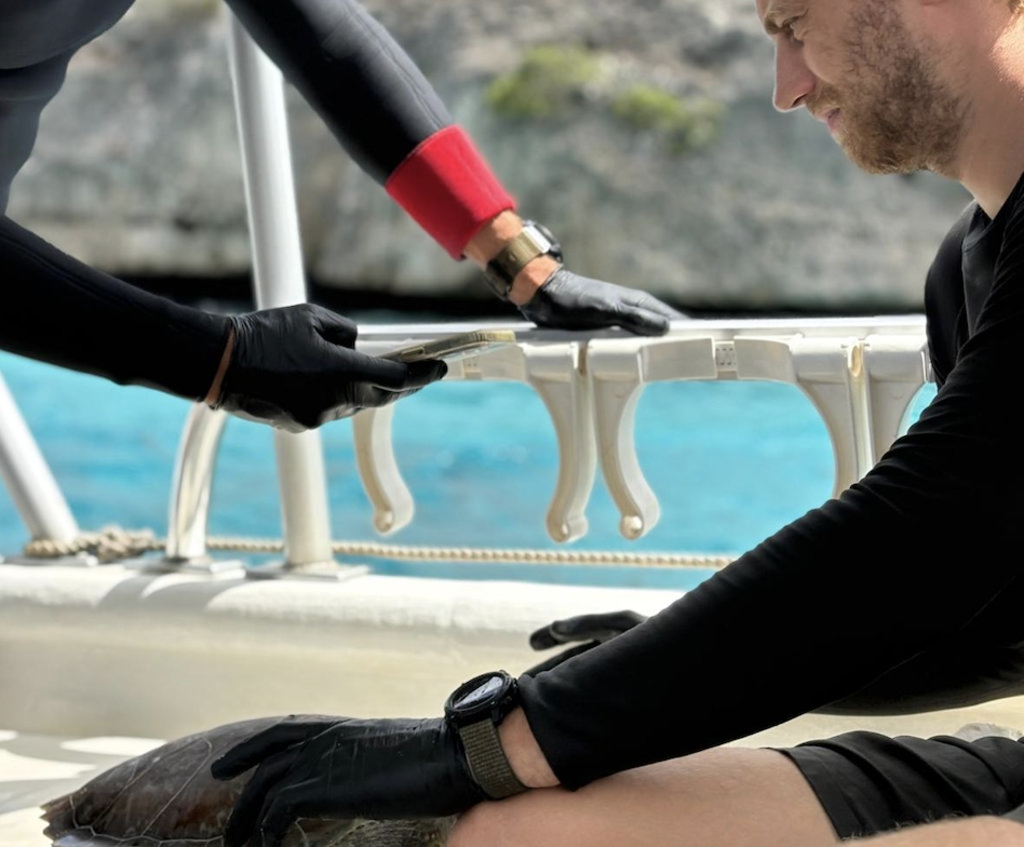
During the workshops, participants received hands-on training in various areas of sea turtle conservation. The islands also shared experiences and discussed ways to improve their work. "For the Saba team, this was the first time they saw sea turtle nests up close. The workshops gave us valuable practical experience in monitoring and examining nests after the turtles have hatched. We also learned how to catch, measure and tag sea turtles in the water," said Bob Sesinkclee of the Saba Conservation Foundation.
Sea turtles have lived in the Caribbean for millions of years, but today they face many threats. These include the loss of nesting sites, pollution, artificial light that disorients hatchlings and collisions with boats.
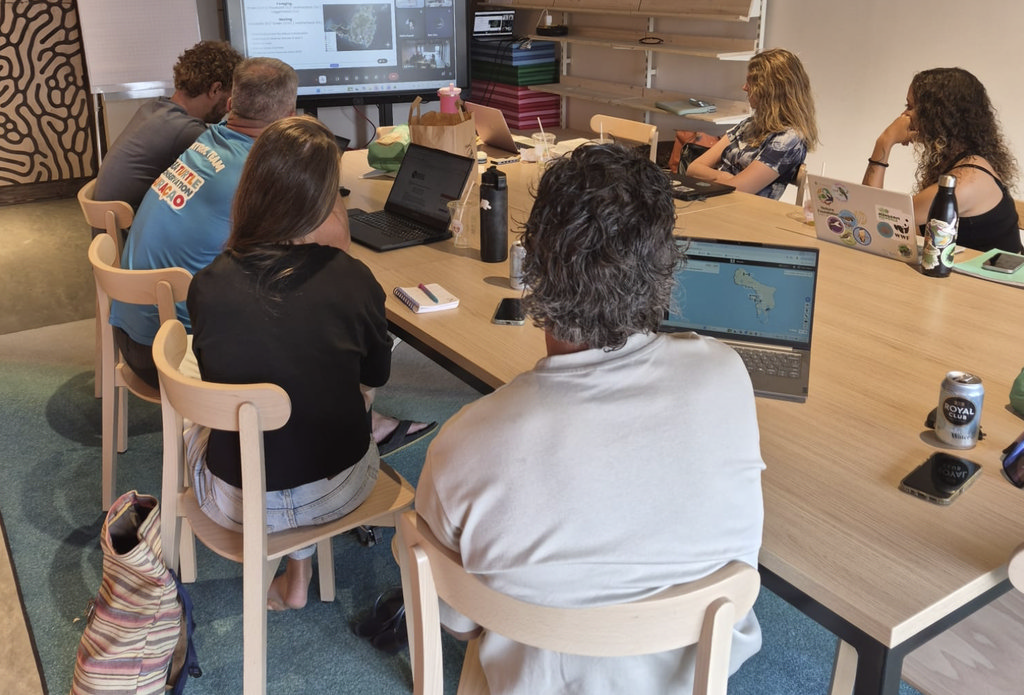
Addressing the threats
STRAP helps Bonaire, Curacao, Saba, Sint Eustatius and St. Maarten tackle these threats together. The plan outlines actions that can help restore sea turtle populations. The five islands have different resources, knowledge and organisations. By working together, they can learn from one another, so that each island does not have to find solutions on its own. They can also collect data in a more consistent way and jointly attract funding and support. This regional approach helps strengthen sea turtle conservation across all five islands.


